An interview with Asturian TV.
Grateful for the feature, thank you so much!
Grateful for the feature, thank you so much!
|
An interview with Asturian TV. Grateful for the feature, thank you so much!
0 Comments
I don't know what I expected from Northern Spain, it's not an area that gets much world recognition or gets put on the "must-see" or "must-travel-to" lists. Everyone that I talked to that has traveled to Spain has instantly fell in love with the culture, food and way of life. But for me, for the first time in our six years abroad, I wanted to keep my guard up and not experience the country through other people's stories. I wanted a completely clean slate - no research - no travel advice - just me, getting on a plane heading to Oviedo.... and seeing what this Spanish lifestyle is all about.
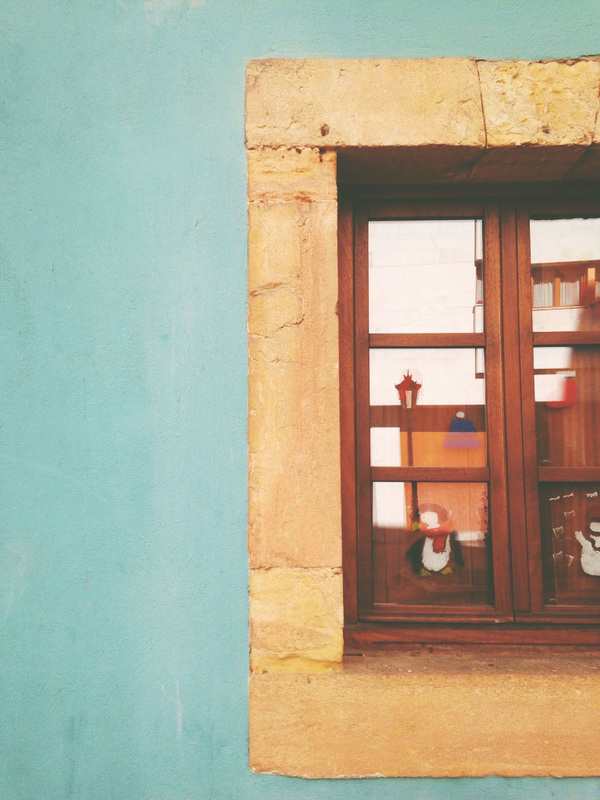
Oviedo is a charming town, nestled between the Cantabrian Sea and the Cantabrian Mountains. The city is the capital of the Asturias region and has about 200,000 inhabitants. It's covered with colorful houses - purple, olive green, blue, yellow and red - some tiled and some painted. The colorful houses are supposed to bring joy and color to a city in which winter months can be overcast and rainy. Oviedo has old world charm with cobblestone streets, fountains, historical buildings and it's famous cathedral. The Gothic cathedral of Oviedo, is a prominent structure in the city skyline. The light yellow cathedral was restored in the 12th century, on the grounds of a pre-romanesque 9th century church. The original parts of church are still visible inside the cathedral's cloister and are even listed on the World Heritage Site list. The Oviedo Cathedral is not only stunning to look at but legend has it that in 718, the King of Spain Alfonso II brought the cloth that was used to cover and clean the face of Jesus after his crucifixion to Oviedo. The religious relic remained hidden for years and finally on March 14th, 1075, the chest containing the cloth was officially opened and has remained inside the cathedral ever since. This religious relic, along with many others is housed inside the Holy Chamber of the cathedral. 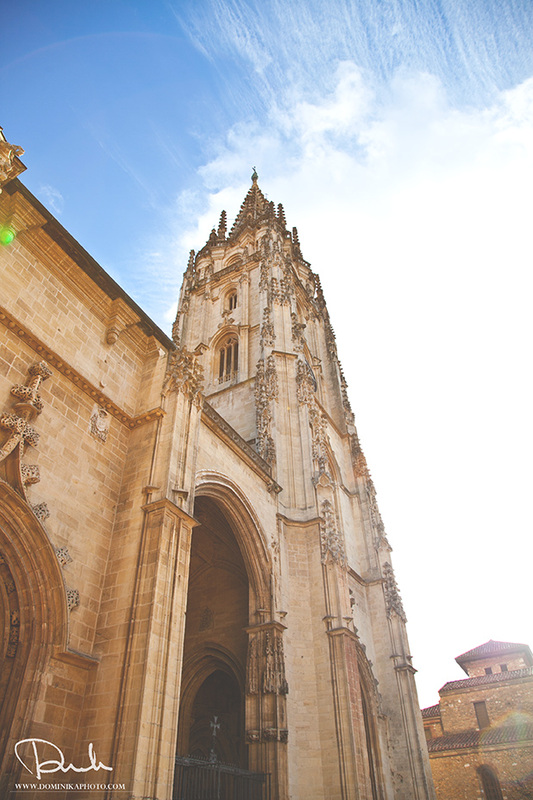 Life in Oviedo moves slowly, stores are closed between 2-4, people stroll down the cobblestone streets often holding hands. Coffee is sipped at a leisurely pace, sitting at a cafe or restaurant watching the world go by. No one is in a hurry, even people stuck in traffic seem content. No honking, flashing lights, and remarkably, even letting other cars go in front of them. (Such a foreign concept to me being from Chicago and being used to aggressive driving!) Pedestrians always have a right of way. People work to live, take in every moment and seem content doing the simple things in life. Food is fresh and wine is cheap. It is totally acceptable to drink wine or the local Asturian speciality of sidra at lunch and then go back to work. Tapas and pinchos are served when one orders drinks (Even at discotecas!). Food and drink are enjoyed, not swallowed quickly. Dinner can last a couple of hours with no one being in a hurry. Conversation is always plentiful and laughter is abundant. People are friendly, open, welcoming and willing to help. It has been remarkably easy for us to make new friends and even snatch a couple of dinner invitations along the way. 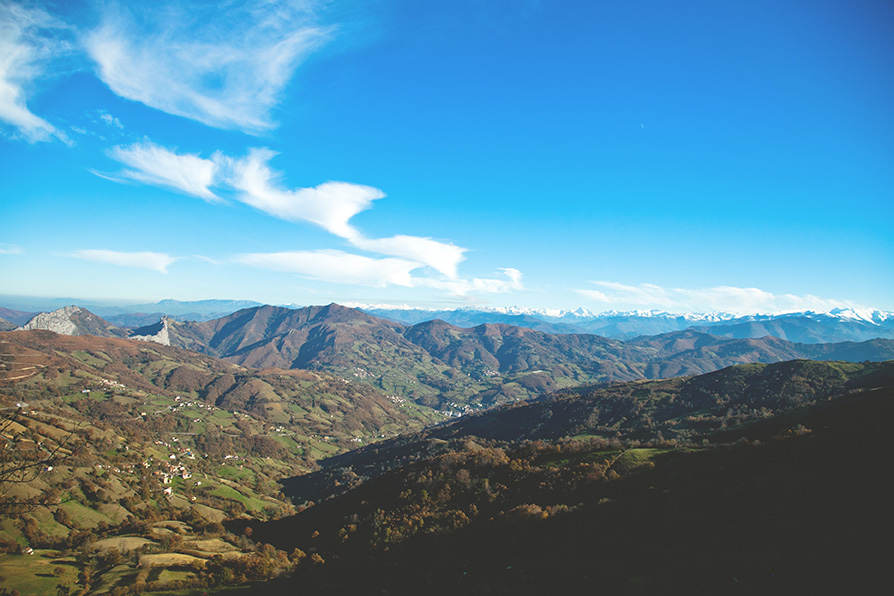 Once you leave the city all you will see is rolling hills with grazing life stock; sheep, horses, and cows with big Swiss looking bells. There are deep valleys with jagged rock formations covered by lush forests. When driving through the countryside one can notice an abundance of Asturian storage huts attached to houses or converted into garages. These elevated part wood - part stone structures, serve as excess food storage during the winter months and prevent any critters from getting in to the food supply. 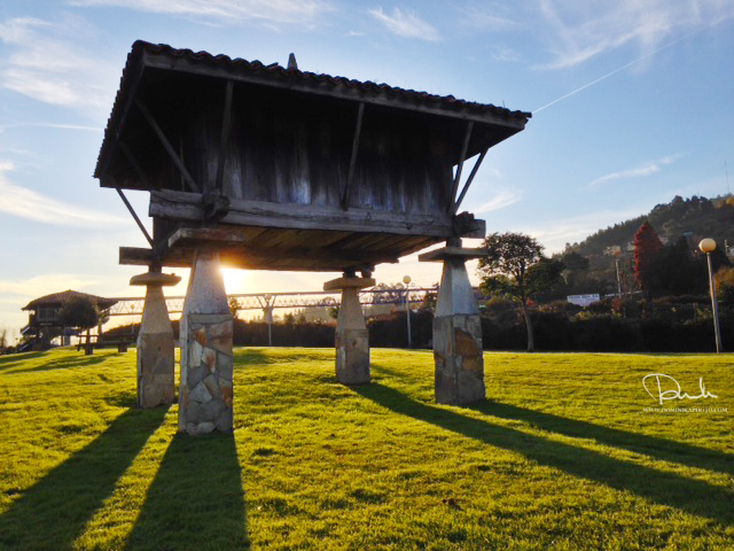 Northern Spain is friendly and full of culture. It's rich in it's traditions of fishing, farming and cheese making. The mountains and coast line make it a unique natural retreat with hiking paths, outdoor sports and a plethora of beautiful scenery. During our time in Spain, we have learned to slow down. To eat dinner and lunch for a couple of hours at a time. To take siestas in the middle of the day and stay out till 3 am. We learned that life is not about how much you aquire but it's about the experiences you have along the way. Our Spanish life has reminded us that the best pleasures in life are simple. 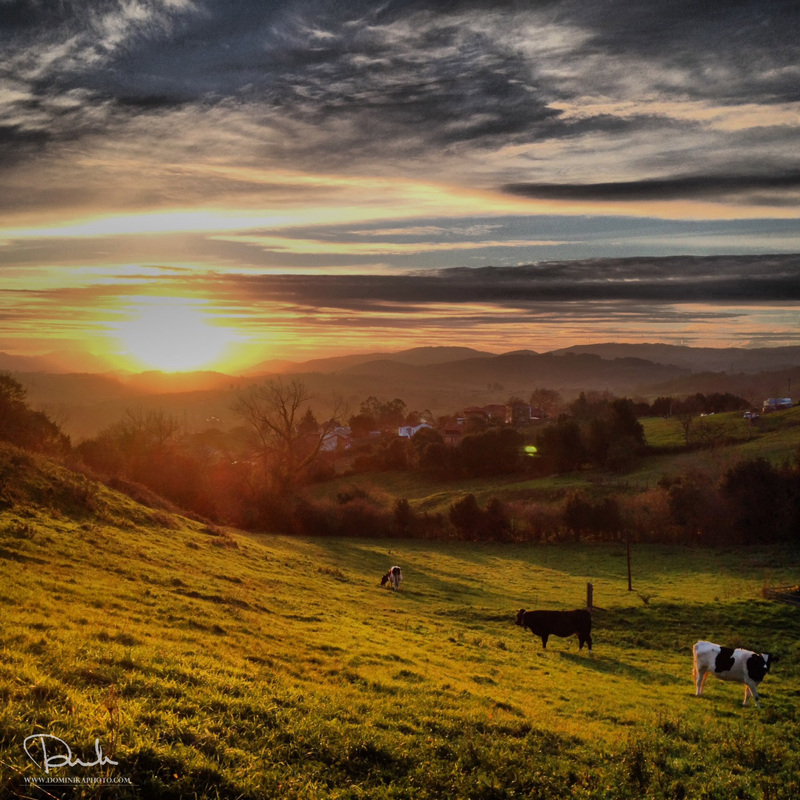 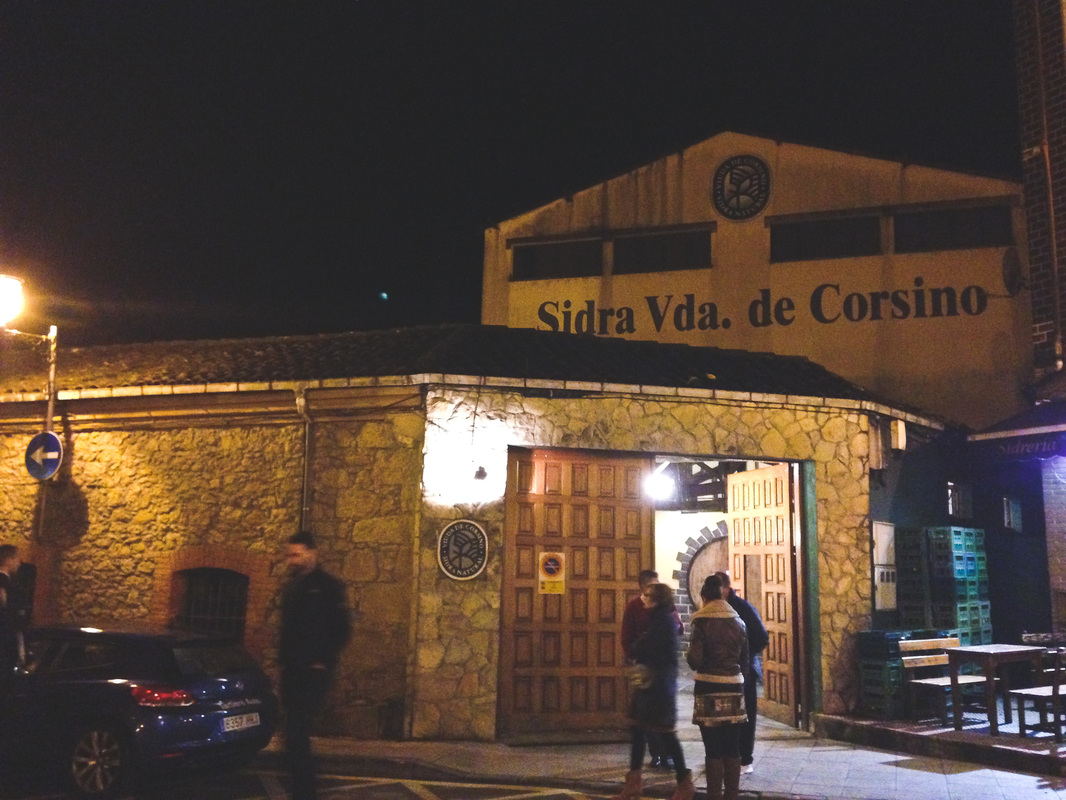
If you plan to travel to Asturias, you must try the regional speciality drink called sidra. This tart yet sweet natural hard cider can be found in siderias and other local restaurants all over the region. Sidra is considered to be the regional "wine" of Asturias and has been produced from local apples since ancient times. It has a relatively low alcohol content, somewhere between 4.5-6%, and is best enjoyed on warm days since it's served chilled. During our holiday break we were able to travel to the small town of Nava, which is known as the cider making capital of the world, for a private sidra tour at the Sidra Viuda de Corsino! 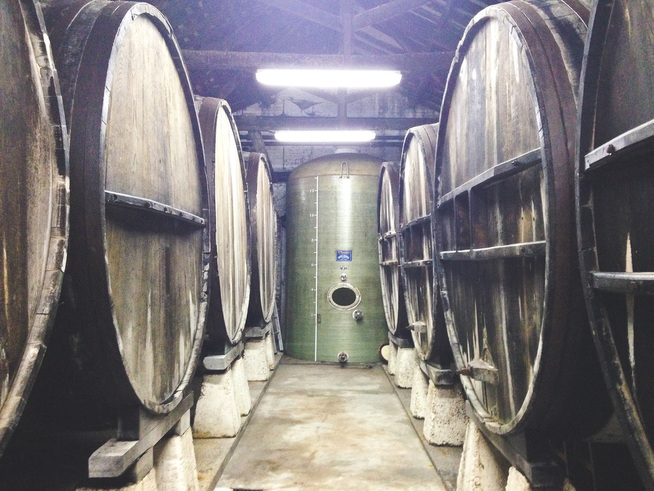
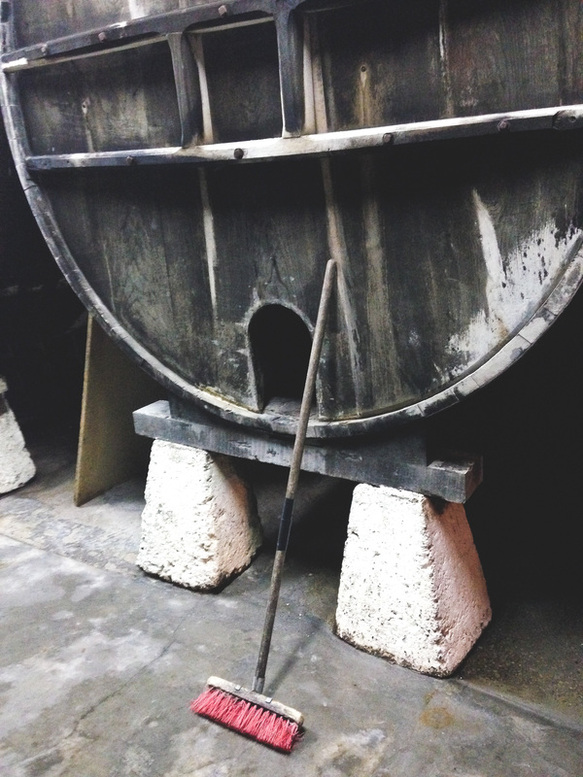
The tour was very fascinating, with the owner explaining the sidra making process as well as giving us some interesting facts about the beverage. This llagar, cider-house, was founded in 1875 and has been producing some of the best sidra in Asturias! The wooden barrels you see above have been used in the sidra fermenting process for dozes of years. Every couple of months the inside has to be cleaned out, so a worker has to crawl inside that tiny opening and hose down the barrels. Yikes! The opening was only big enough to fit a medium sized dog. How anyone could squeeze in there was beyond me?! But hey, people fit and sometimes get drunk off the remaining fumes of the cidra. Not a bad day at work! Ha! 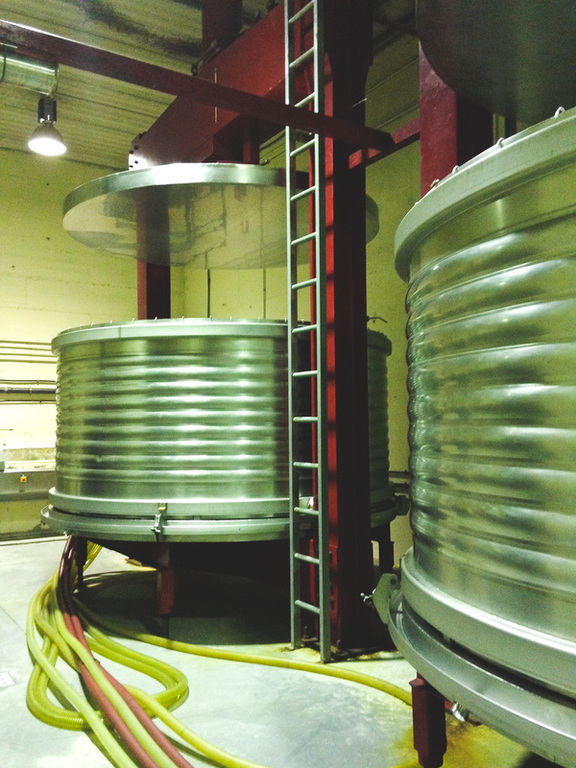
Modern apple press as well as stainless steel fermentation barrels. 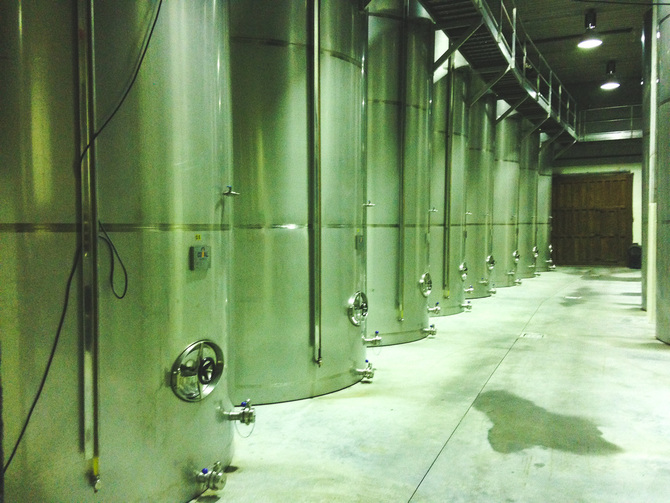
Lovely tour and best of all, a little tasting of sidra directly from the barrel! In typical Asturias fashion, our group shared only one glass between us all. We each had our own tasting of sidra but from the same glass. Sidra: The Asturias peace pipe! 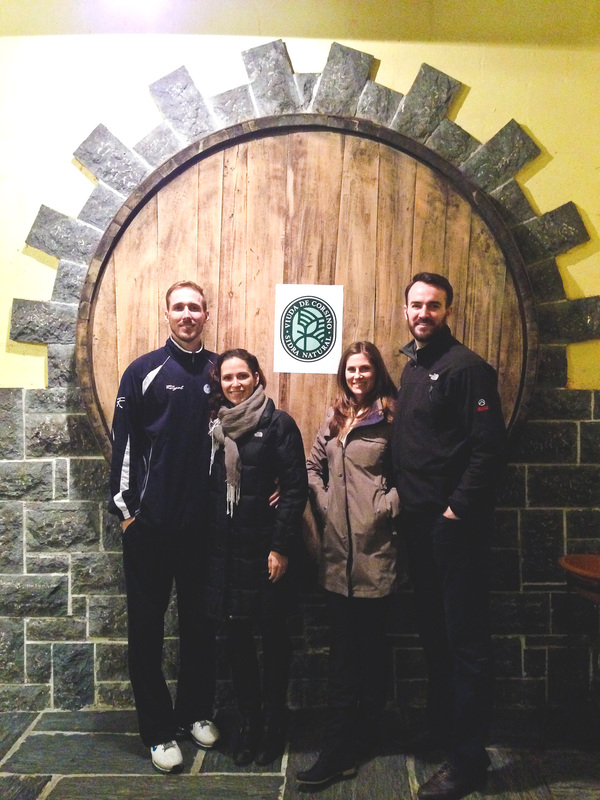
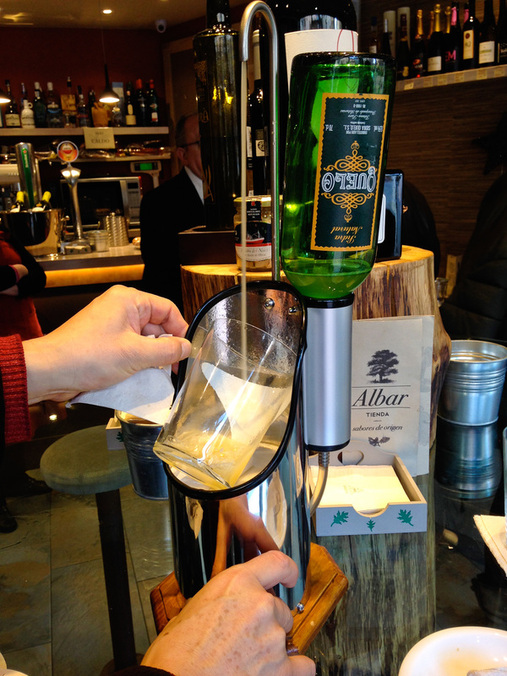
Sidra is unlike any other alcoholic beverage we have ever tried, not only taste-wise but there is a certain presentation and etiquette involved during it's consumption.
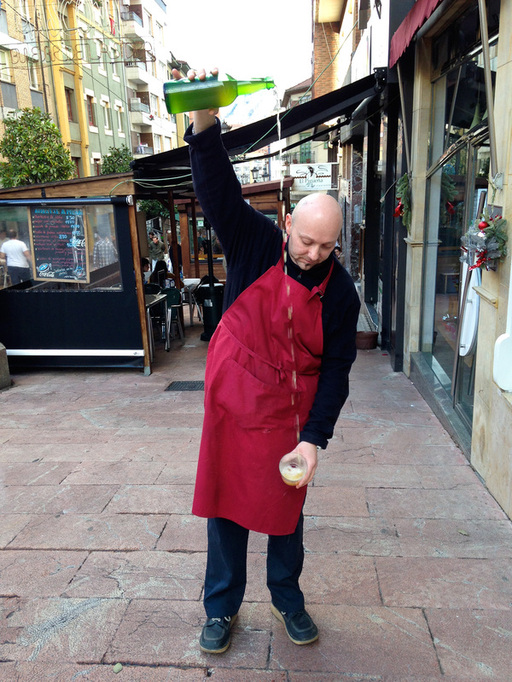
A waiter demonstrating his sidra pouring skills at the famous Cider Boulevard in Oviedo.
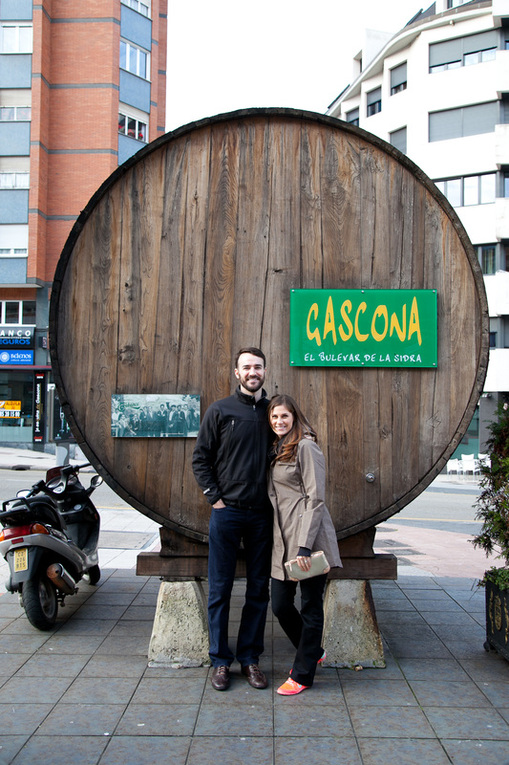
Kevin & Bethany by the big barrel that marks the start of the Cider Boulevard in Oviedo.
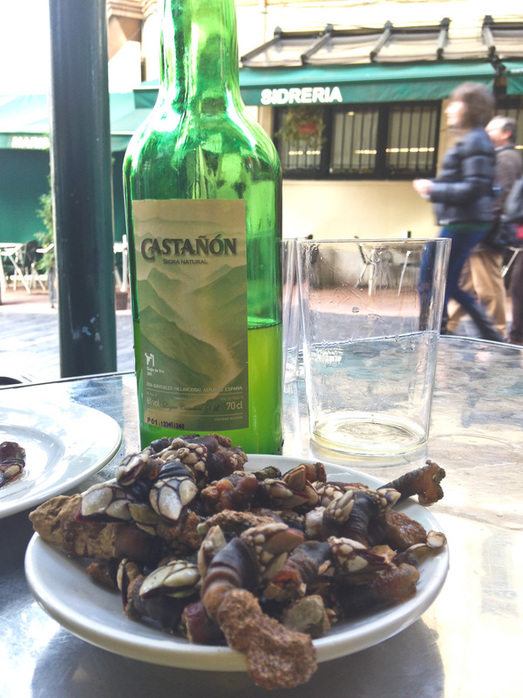
Okay, totally kidding! Barnacles are not our favorite but at least we can add them to our list of "food we never thought we would try." These dinosaur- like claws are very expensive (50 Euros a kilo!) and most Spaniards only eat them once a year on Christmas. To us, they don't taste like much. I would definitely opt out and recommend trying a delicious Asturias cheese and cured ham plate to go along with your sidra! Enjoy and happy drinking!
Last week, Dan had a few days off so we were able to take a couple of day trips around Asturias. The region of Asturias is truly beautiful, not only are there miles and miles of coastlines but also stunning mountains. Yay, lots to explore on those days off! I am sure Dan will be thrilled when he reads this. The only thing that might save him from endless day trips is the rainy season, which has slowly started to creep in...and possibly the fact that he has a pregnant wife! We shall see though! In my book, The Fitz Adventures in Asturias await! 
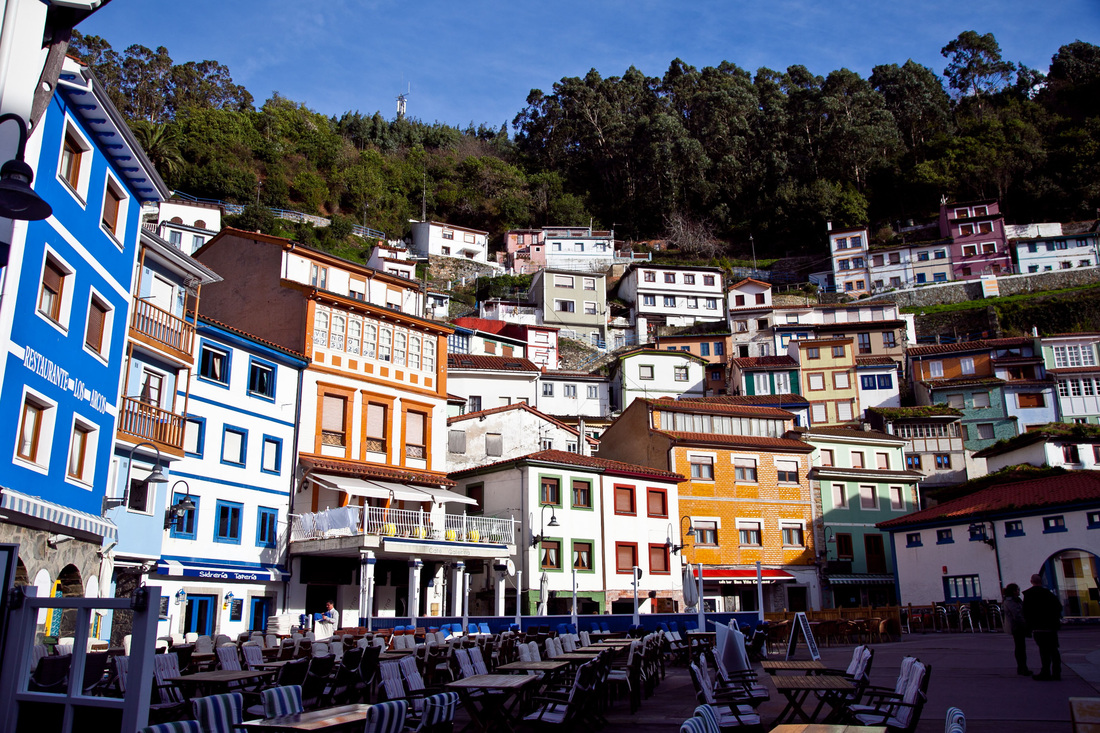
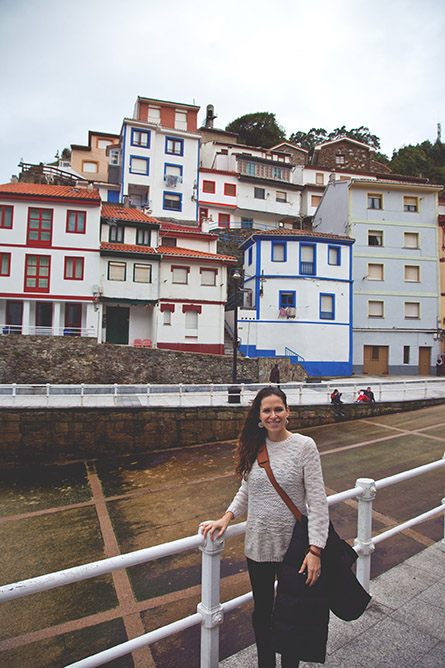
Part I : CudilleroOn a warm Sunday we packed up our little sports car and headed about an hour northwest of Oviedo, to a small fishing village of Cudillero. The coastal town is situated right between two cliffs and offers stunning views of the sea as well as colorful picturesque houses carved into the hillside. Legend has it that the town was founded by Vikings and even to this day it maintains some of it's Nordic roots. The best example of this is the village's own unique dialect called "pixueto," which is a mixture of an Asturian dialect containing words of Nordic origin. Lucky or unlucky for us, we didn't get to hear any of this unique dialect. Our basic Spanish skills only allow us to ask for directions and order food at restaurants. Just maybe, on our next trip to Cudillero we will brush up on our Spanish enough to be able to differentiate between Spanish and pixueto. One can only hope! 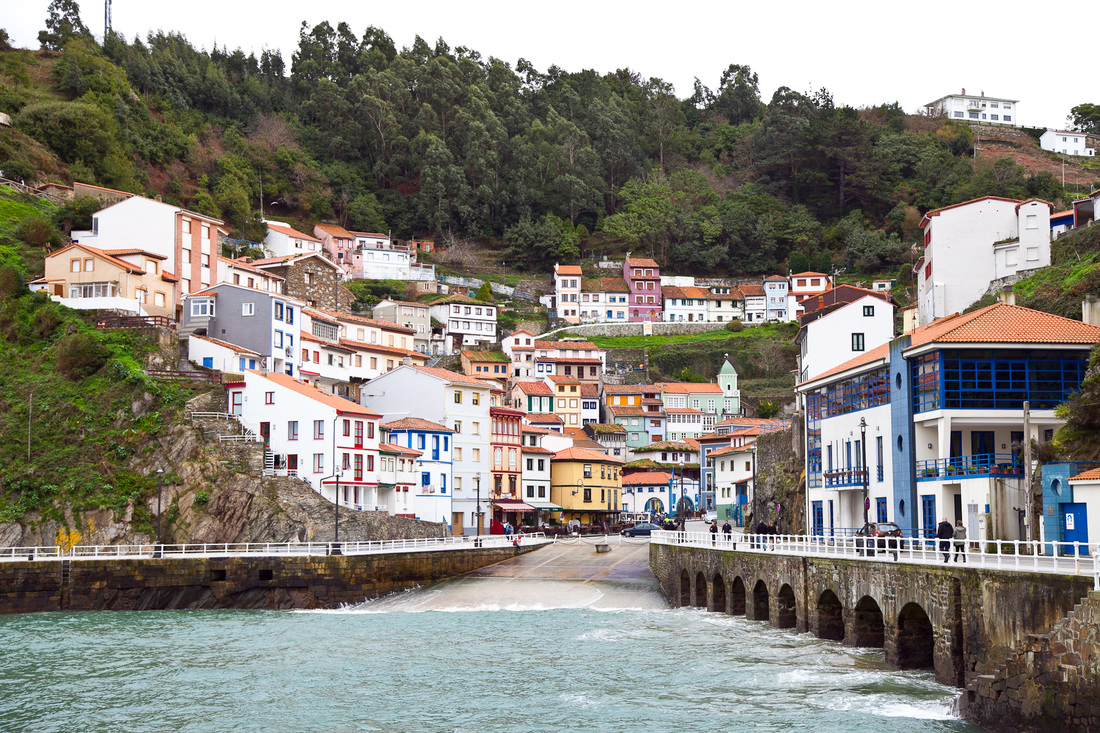
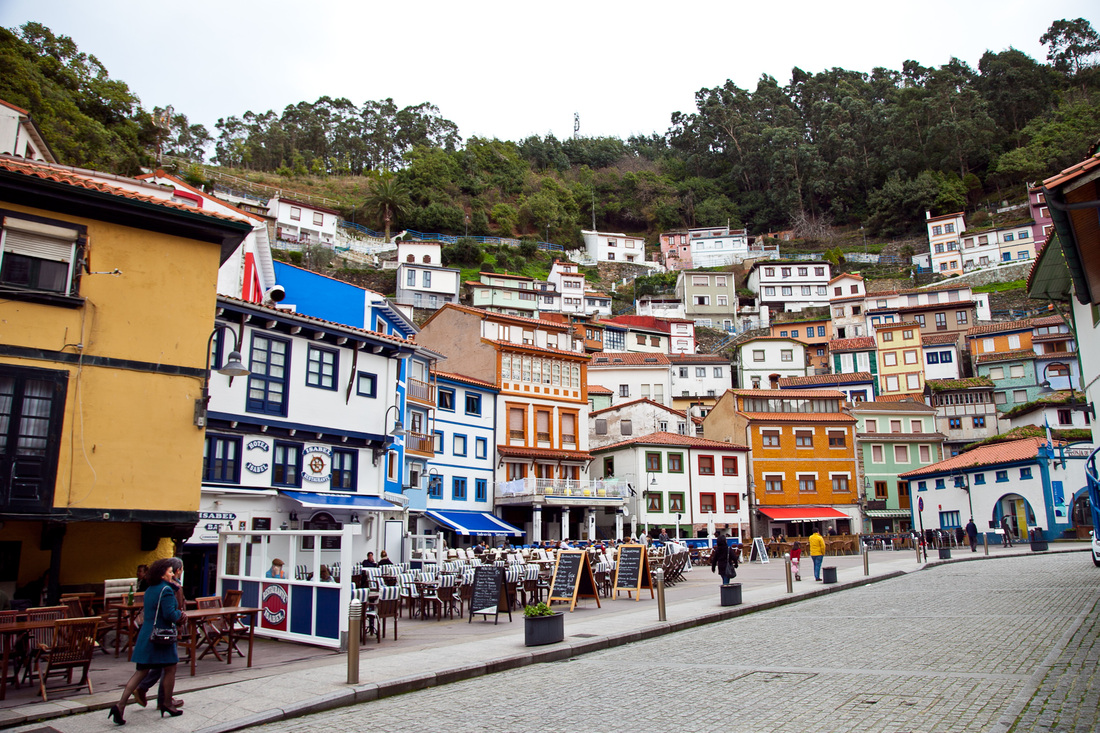
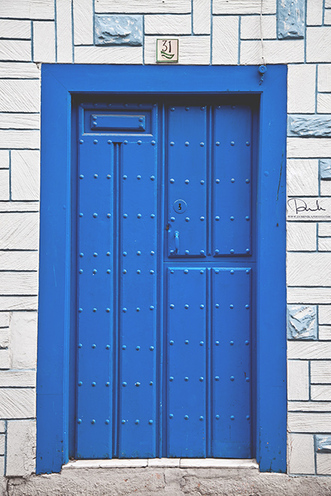
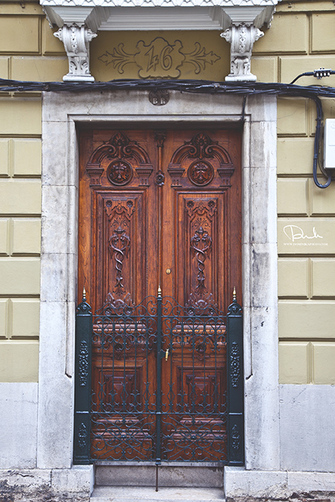
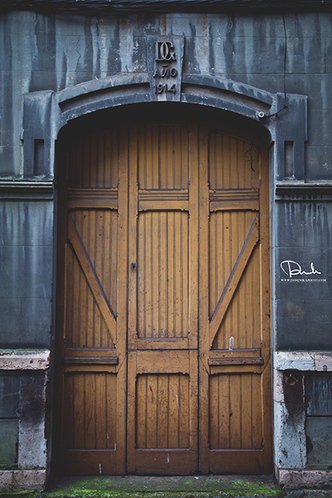
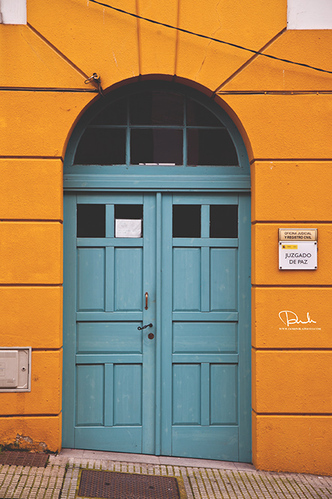
We wandered around the town, took photos of colorful houses, and enjoyed observing the locals starring at tourists out of their windows. I also got to add to my Spanish door obsession (Hello, my name is Dominika, and I have an addiction to photograhing Spanish doors. Ha!) by photographing some uniquely colorful, vintage doors of Cudillero. (Feel free to check out the collection of Spanish doors on my photo blog. )
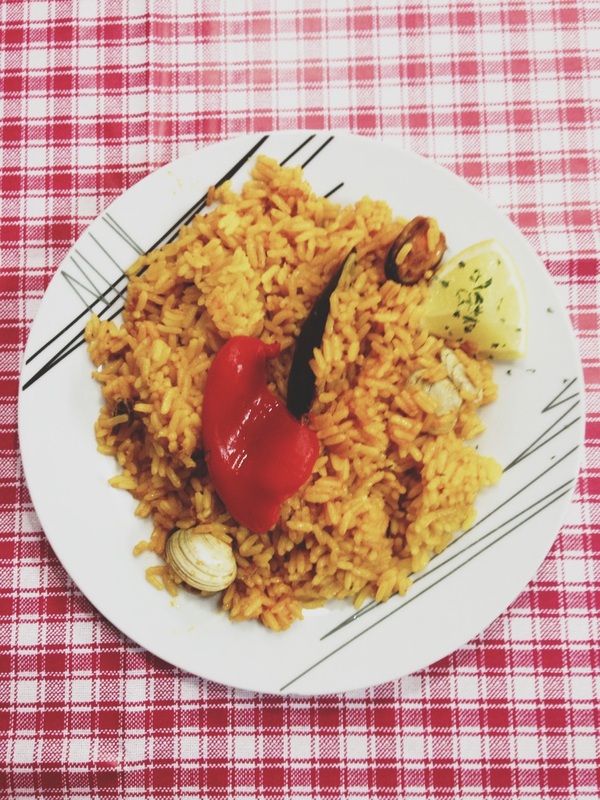
After our scenic walk we decided to sit down at Bar Isabel, located at the main square, for a seafood lunch and Spanish coffee. The weather was absolutely great (no coats required!) and my lobster paella alone was worth the visit! 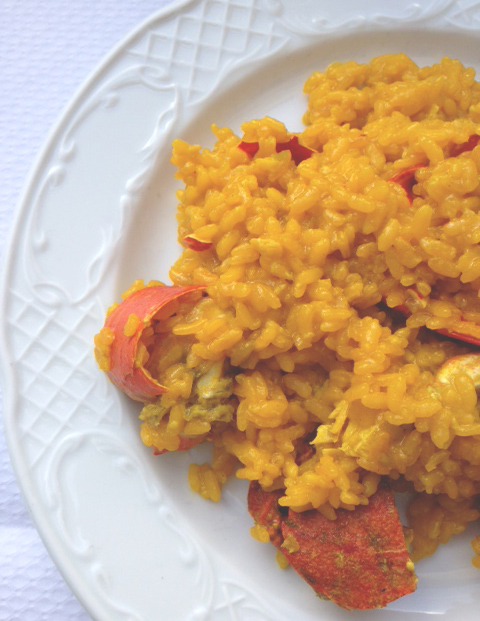
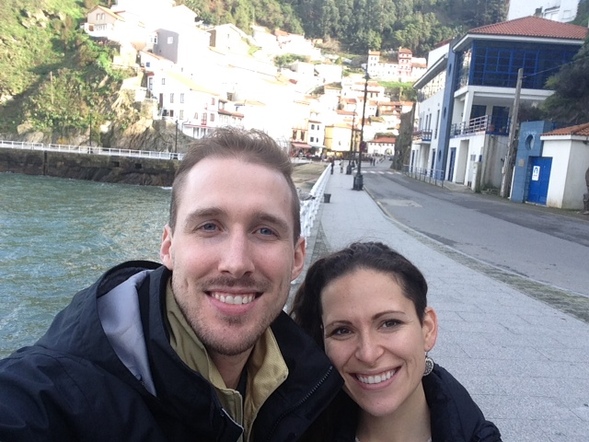
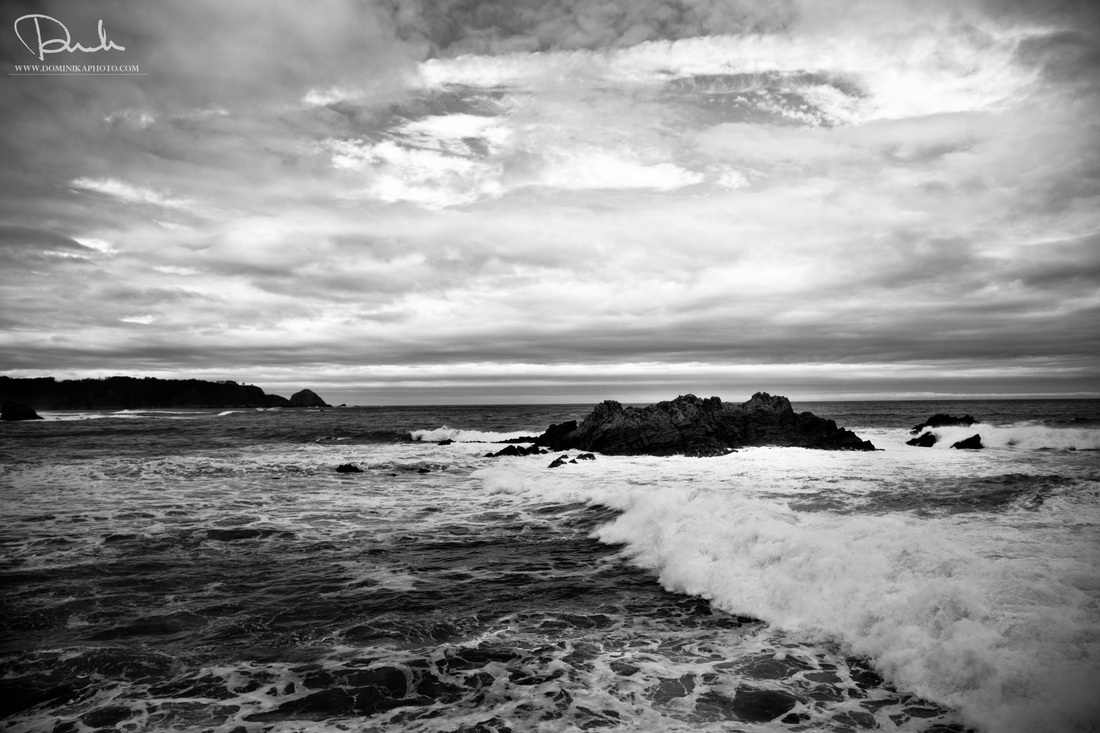
View of the ocean from the seawall.
Part II: Playa de las CatedralesAfter lunch we decided to head to a nearby region of Galicia to check out the famous Playa de las Catedrales (As Catedrais), the English translation: the "Beach of the Cathedrals." The beach is known for it's famous rock formations that can only be seen at low tide. Visitors can wander around the beach and admire natural arches and caves in the cliffs. I have to admit, it was truly breathtaking, and knowing that it took thousands of years of waves crashing into these rocks to create such a magnificent natural wonder, was simply amazing. Unfortunately it did start raining when we got to the beach, but a little rain didn't stop us from exploringing this unique environment. 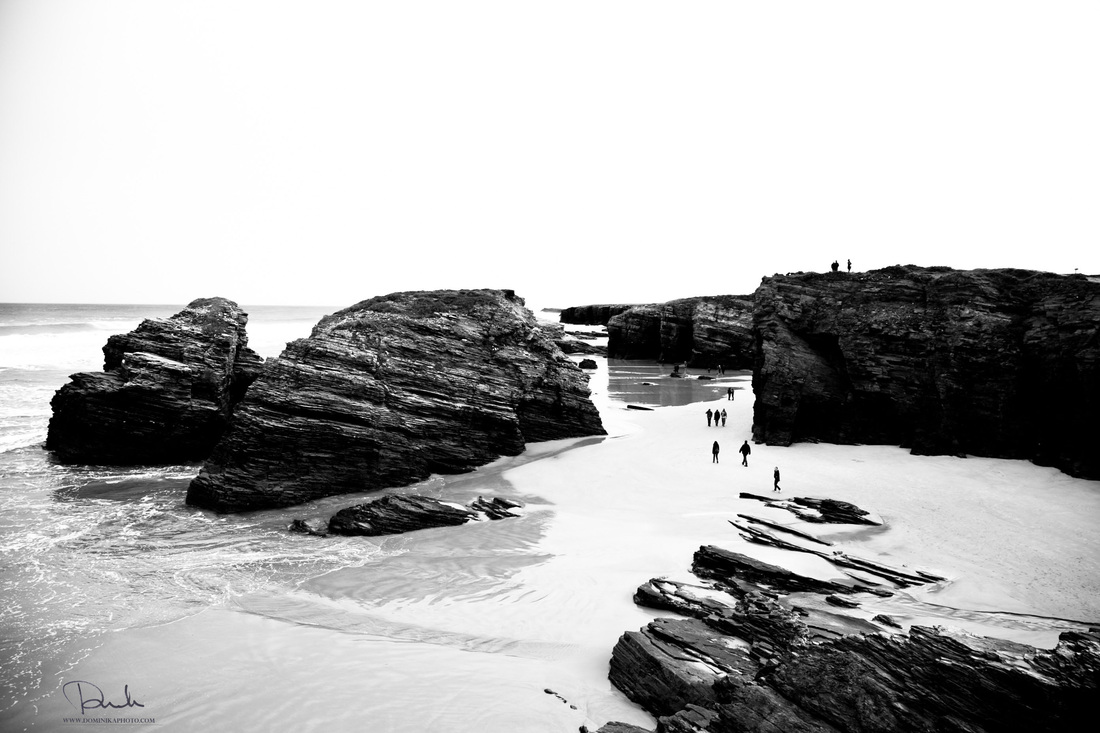
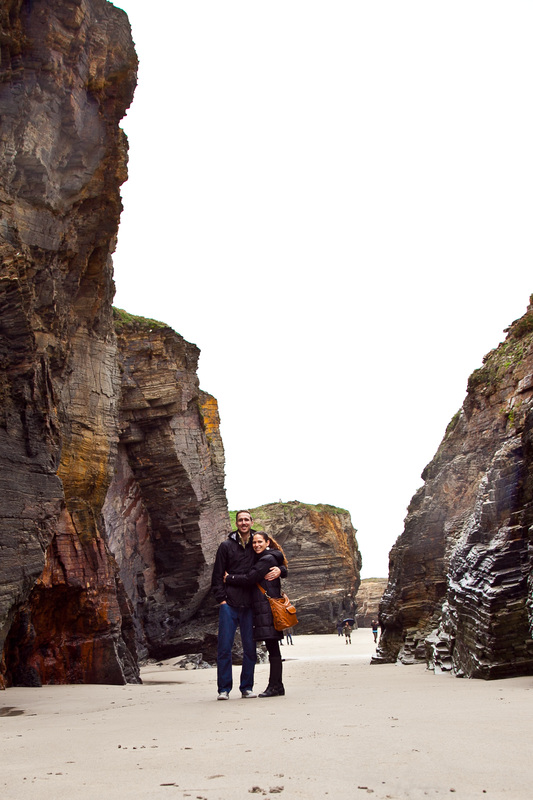
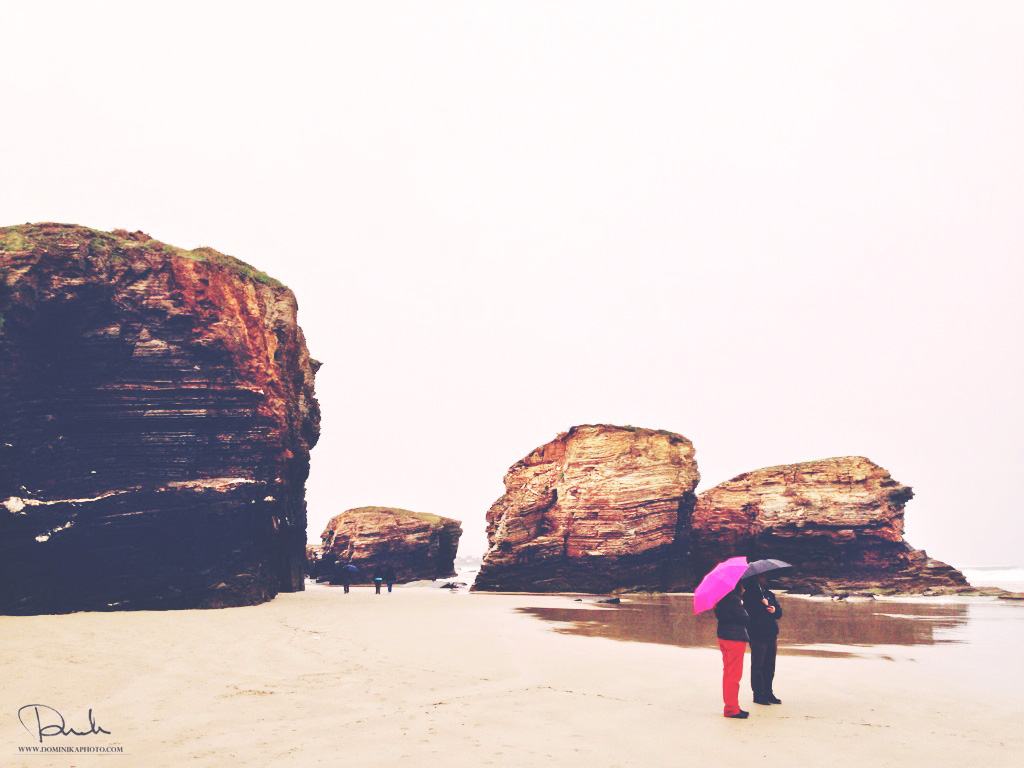
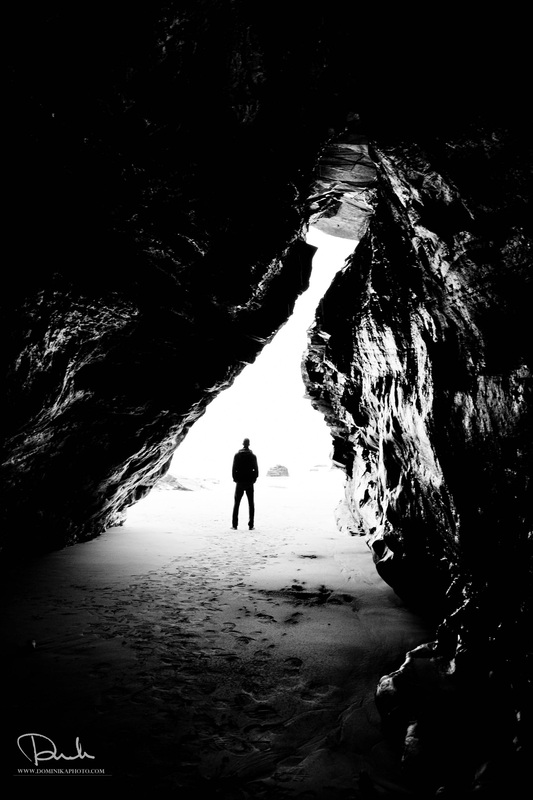
If you do decide to go to Playa de las Catedrales, make sure to check when the low tide is going to take place. (Here is a helpful website. ) Also, don't get stuck in a cave! We might have wondered to take pictures, and all of a sudden found ourselves scrambling for the rocks when a wave washed into the cave. Luckily, we were able to get out within a few minutes but seeing so much water come toward you was a bit scary! Oh, and I think I found a perfect spot to take maternity photos, so who wants to fly to Spain to photograph my growing belly?! Any takers?!
|
Archives
July 2014
Categories
All
|
 RSS Feed
